Source High Pressure Hydraulic Pump for Industrial, Mining, and Construction
Find 30 high pressure hydraulic pump options from verified Chinese suppliers. Compare models like K5V140, A11VO, and PV23 with varying power sources, packing types, and certifications to match your industrial or submersible pump needs; compare the available evidence and request quotations based on your requirements.
Key considerations
Products List




Comprehensive Sourcing Guide
High Pressure Hydraulic Pump Sourcing Guide
High pressure hydraulic pumps sit at the center of industrial fluid power systems, converting mechanical or electrical input into pressurized hydraulic flow for machinery, presses, and mobile equipment. For procurement teams, sourcing these pumps requires balancing technical fit, manufacturing quality, and commercial terms across a supply base that is heavily concentrated in China, with Tianjin among the observed production origins. Listings in this category range from axial plunger piston pumps to centrifugal and vacuum-adjacent designs, so buyers must filter aggressively against their actual duty requirements.
This guide walks through the full sourcing cycle: interpreting listing signals, verifying specifications, checking compliance documentation, understanding cost drivers, qualifying suppliers, and planning for long-term supply. Each section is written to support a specific purchasing decision. Because supplier-provided attributes are observations rather than guarantees, every claim identified during sourcing should be validated through documentation requests, sample testing, and direct factory communication before an order is committed.
Product Scope and Observed Listing Signals
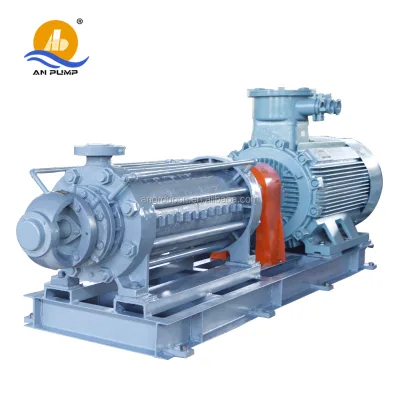
The product scope in this category is broad. Observed listings include axial plunger pumps such as models identified as K5V140DTP-OE01-17T, A11VO, A4FO500, A10VO45, and PV23, alongside gear-style models like CBT-F3119F3H2S and M46, and centrifugal designs such as HW250E and 3DK. Attributes observed across listings include hydraulic power sources, electric pump start-up, single-stage and multi-cylinder structures, horizontal shaft positioning, and applications spanning industrial equipment and air conditioning pumping. Buyers should treat model numbers as anchors for cross-referencing with manufacturer datasheets rather than assuming interchangeability.
Listing signals also reveal commercial patterns worth noting. Customization is listed as available, and sizes are commonly described as customized, which signals a make-to-order supply model rather than off-the-shelf catalog sales. Condition is listed as new, colors such as green and blue appear as cosmetic options, and MOQs observed in the category range from 1 to 100 units, suggesting both sample-friendly and volume-oriented suppliers. Listed prices span an extremely wide band, from under one dollar to five figures, which reflects the mixing of component-level and complete-system listings under one keyword and reinforces the need for careful scope filtering.
Technical Specifications to Verify
Displacement, pressure rating, and rotational speed form the technical foundation of any high pressure hydraulic pump purchase. For axial plunger designs, confirm the maximum continuous and peak working pressure, displacement per revolution, and permissible speed range against your system's relief settings and duty cycle. Verify the shaft position (horizontal in observed listings), mounting flange dimensions, shaft diameter and spline type, and rotation direction, since mismatches here are among the most common causes of installation failure and warranty disputes.
Beyond core hydraulics, verify the structural configuration and materials. Observed attributes include multi-cylinder and axial flow structures, single-stage centrifugal designs, and protection levels up to IP68 for submersible applications, alongside stated service lives such as 30,000 hours — treat these as claims to be substantiated with test records, not guaranteed values. Ask for material certificates for the cylinder block, pistons, and valve plates, confirm fluid compatibility with your hydraulic oil, and check noise, efficiency, and contamination tolerance data. For customized-size orders, require dimensioned drawings approved in writing before production begins.
Compliance and Safety Documentation
Compliance requirements for high pressure hydraulic pumps center on mechanical safety and pressure integrity. Certification to CE is listed among observed product attributes, which for equipment sold into European markets typically implies conformity with applicable machinery and pressure-related directives — but buyers should request the actual CE declaration of conformity, identify which directives and standards it cites, and confirm the certificate holder matches the exporting entity. Never accept a logo in a product photo as evidence of certification.
Assemble a documentation package before shipping approval. Reasonable requests include a factory test report showing pressure and flow performance for the specific serial number, dimensional inspection records, material certificates for pressure-bearing parts, and a packing specification confirming carton or wooden-case export packaging as observed in listings. For applications with regulatory exposure — such as air conditioning or vacuum systems — clarify which additional documentation the destination market requires rather than assuming the supplier knows. Where background standards such as ISO 4413 for hydraulic fluid power are relevant to system integration, confirm which party is responsible for system-level conformity.
Cost Drivers and Commercial Terms
Price variation in this category is driven primarily by displacement size, pressure class, and internal component quality. Axial plunger pumps with larger displacements and higher pressure ratings command substantially higher prices than small gear or vane units, and the wide observed price band (from roughly a dollar for small components to $59,999 at the top end) reflects this spread plus the mixing of product types. Customization adds cost through engineering time, special seals, non-standard shafts, and low-volume machining, so quantify exactly which custom features you need before comparing quotes.
On commercial terms, MOQs observed from 1 to 100 units mean sample orders are generally feasible, but unit pricing will improve significantly at volume tiers — request a tiered price schedule rather than a single quote. Clarify Incoterms, payment structure (deposits are standard for made-to-order pumps), and packing method, since observed options range from cartons to wooden cases and standard export packing, which affect freight cost and insurance. Confirm what the quoted price includes: shaft couplings, mounting hardware, oil fill, and test documentation are frequent sources of post-quote add-on charges.
Supplier Qualification and Quality Control
Qualify suppliers against evidence rather than listing polish. Prioritize manufacturers over traders for high pressure pump bodies, since pressure-containment quality depends on machining precision, heat treatment, and assembly cleanliness that only a factory can control. Request business license details, factory photos or a video audit, and references from customers in your industry. A supplier listing customized sizes and OEM packing capability, as observed in this category, should be able to demonstrate prior customization projects with drawings and approval records.
For quality control, define an inspection protocol tied to the purchase contract. Typical steps include incoming material checks for pressure-bearing components, run-in testing at rated pressure, verification of flow and leakage limits, and final dimensional inspection against the approved drawing. For first articles or large orders, consider third-party inspection in China before shipment, and specify the accepted inspection standard in writing. Agree on how nonconformances are handled — repair, replacement, or credit — and who bears freight costs. Retain a golden sample from the approved batch for comparison on future orders.
Long-Term Procurement Checks
High pressure hydraulic pumps are service-intensive assets, so long-term supply reliability matters as much as the initial unit price. Confirm spare parts availability: pistons, cylinder blocks, valve plates, seals, and bearings should be orderable independently for the pump's expected life, and the supplier should commit in writing to supporting the model — such as the specific K5V, A-series, PV, or CBT variants you procure — for a defined period. Document the internal part numbering so replacements match your installed base.
Build ongoing supplier governance into the relationship. Track actual field performance against claimed service life figures (one listing cites 30,000 hours; validate with your own failure data), record failure modes, and review quality trends at defined intervals. Watch for silent spec changes — material substitutions or supplier changes to castings — by requiring notification of any design or process change. Re-verify certifications periodically rather than assuming they remain current, maintain dual sourcing where volumes justify it, and renegotiate pricing tiers annually as order volumes grow, using your documented quality and delivery history as leverage.
FAQs
What customization options are available for high pressure hydraulic pumps?
Customization is available for these hydraulic pumps, allowing buyers to specify tailored solutions. The product page indicates that customized sizes can be selected to fit specific machinery requirements. This flexibility ensures the pump integrates seamlessly into existing industrial systems without needing extensive modifications to the surrounding infrastructure or mounting points.
Which certifications do these hydraulic pumps carry?
These hydraulic pumps carry CE certification, ensuring they meet European safety and quality standards. This certification is crucial for buyers operating in regulated markets who need to verify compliance before installation. The presence of this mark helps streamline the procurement process for industrial applications requiring certified equipment.
How are these pumps packaged for shipping?
Packaging varies by model, including carton boxes, wooden cases, and standard export wooden cases. Some items use wooden boxes or standard export packing, while others utilize carton packaging. This variety ensures safe transit for different pump types, protecting the equipment from damage during international logistics and handling processes.
Can I find high pressure hydraulic pumps with specific models?
Yes, specific models like K5V140DTP-OE01-17T, HW250E, and A11VO are listed. Buyers can identify pumps by these exact model numbers to match their technical requirements. This specificity helps in sourcing the correct component for replacement or new installation projects in industrial settings.
What is the typical condition of these hydraulic pumps?
The listed hydraulic pumps are in new condition. This ensures buyers receive brand-new equipment rather than refurbished or used units. New condition pumps typically offer full warranty coverage and optimal performance from the start, reducing initial maintenance risks for industrial operations.
Where are these hydraulic pumps manufactured?
These pumps originate from China, with specific mentions of Tianjin as a production location. Sourcing from this region provides access to established manufacturing hubs for hydraulic components. Buyers can leverage this geographic information to assess logistics costs and supply chain reliability for their procurement needs.
What is the MOQ for these hydraulic pumps?
The observed minimum order quantity ranges from 1 to 100 units. This flexible MOQ allows both small-scale buyers and large industrial purchasers to order suitable quantities. It supports trial orders for new suppliers or bulk procurement for established manufacturing lines without excessive inventory pressure.